

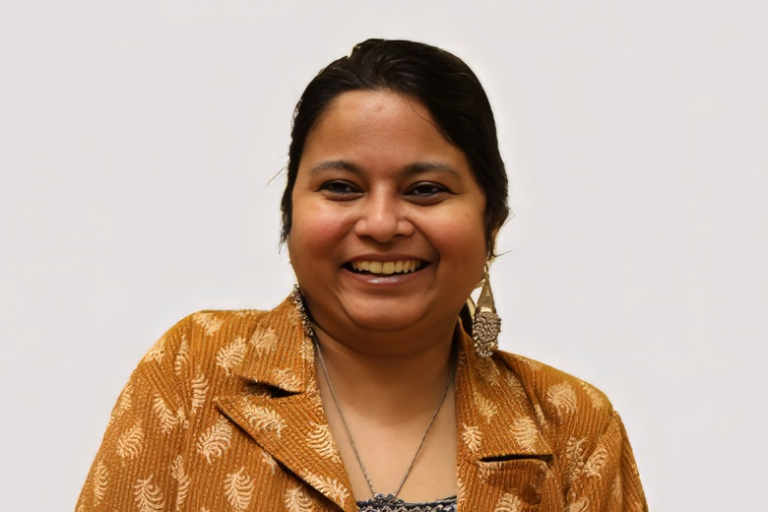
Soumita’s mission is simple and radical: clothing that fits the body, not the body forcing itself into a garment. In this conversation, she explains that her adaptive clothing line—Zyenika —was born from a personal need to dress with ease, dignity, and style.
Zyenika garments come with magnetic closures, Velcro fastenings, concealed openings and no-bend trousers. These details offer a world of relief for someone with limited finger movement or back pain and the difference between asking for help and being able to dress independently. They are designed for people with limited mobility, people with disabilities and the elderly.
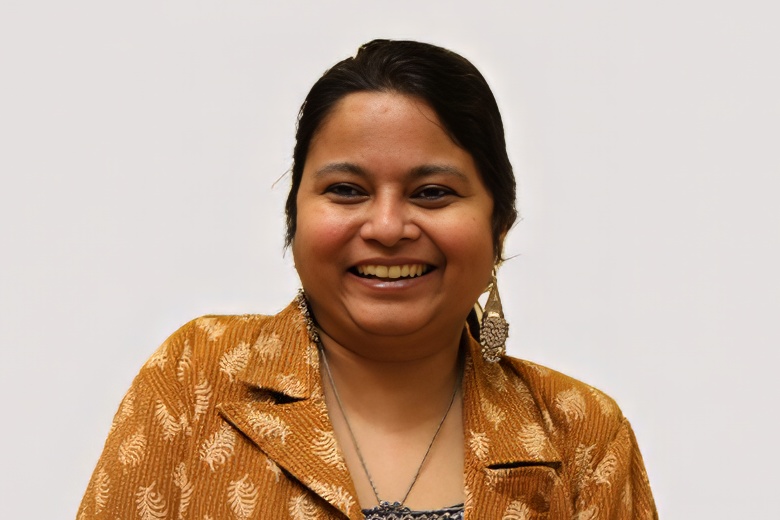
“I am designing clothes that are adaptive, that are inclusive, and that really works around your body. So it is something that fits your body instead of asking your body to struggle and fit in no matter what.”
These words anchor a broader philosophy: fashion should be human-centric, accessible and designed around real lives, not idealized models.
Centering Fashion Around the User
Soumita’s journey is as much about empathy as it is about fabric. She explains how her own pain and loss of mobility in her 30s propelled her toward an approach that centers the wearer’s experience. She asks designers, brands and policymakers to look at women—not as a monolith, but as a spectrum of bodies, ages, disabilities and situations.
“Don’t homogenize women. That itself is infuriating,” she emphasizes, highlighting how inclusive design begins with understanding diverse realities.
The episode doesn’t shy away from the hard realities of building an inclusive business in Asia.
Couldn’t Even Open Her Own Bank Account
Soumita recounts systemic barriers—from the brutal friction of something as simple as opening a bank account to the daily challenges of shopping. Banks, she notes, often respond with processes that exclude rather than include, a consequence she battled for years. “If you want me to solve it, I will, but you pay me for it,” she recalls telling a bank’s HR and legal teams about the sheer inaccessibility of trying to open a bank account for her business as a disabled entrepreneur.
One of Soumita’s clearest messages: inclusive design creates value for everyone. The shopping journey for a person with a disability—or an aging consumer—shouldn’t require heroic feats to buy clothes.
She paints a vivid picture of a typical store experience, where crucial steps must be reimagined: from wide, accessible aisles and easy-to-use trial rooms to price labels that can be read by customers. “Shopping is very rarely an individual affair,” she notes, reminding us that inclusive design benefits families, friends and caregivers who accompany shoppers and expand a brand’s reach.
Soumita’s one wish for the ecosystem is pragmatic and hopeful: disruption comes not only from new products, but from new processes. She envisions better onboarding for incubator participants, smarter market research integrated with design thinking and a culture of care that transcends branding campaigns.
Her favourite mantra is “Do what you can, with what you have, where you are.” Despite the challenges she undergoes, she is still inspired by kindness. She enjoys dancing, cooking and reading (Totochan is a favourite). She is proud of the people she is with – family, friends, colleagues and workers, and “Zyenika’s ability to touch people’s lives with our work.”
Inclusive Fashion Is An Untapped Global Opportunity
Soumita invites business leaders to revisit the opportunity of serving the disabled community. The inclusive fashion market is not a niche; it’s a vast, global opportunity with serious purchasing power. And in Asia, where diverse bodies meet varied climates and cultures, the potential impact is profound.
- Lead with empathy: design starts with understanding the user’s body and daily realities.
- Tackle accessibility systemically: banking, retail, and policy must evolve to remove friction for disabled consumers.
- View inclusion as a business strategy: serving an underserved market can create loyal customers and strengthen ESG positioning.
If you’re inspired by Soumita’s courage and practical approach, consider how you can apply inclusive principles to your own product or service today. This episode is a reminder that authentic care—from product design to customer service—can fuel both impact and growth.
This episode is sponsored by Redbox Studio.
Sign up for behind-the-scenes updates and news from our podcast guests.